Olivia Hughes · 6 October 2026
Citizen-Led Audio Projects Uncover Meadow Soundscapes Amid Access Limits
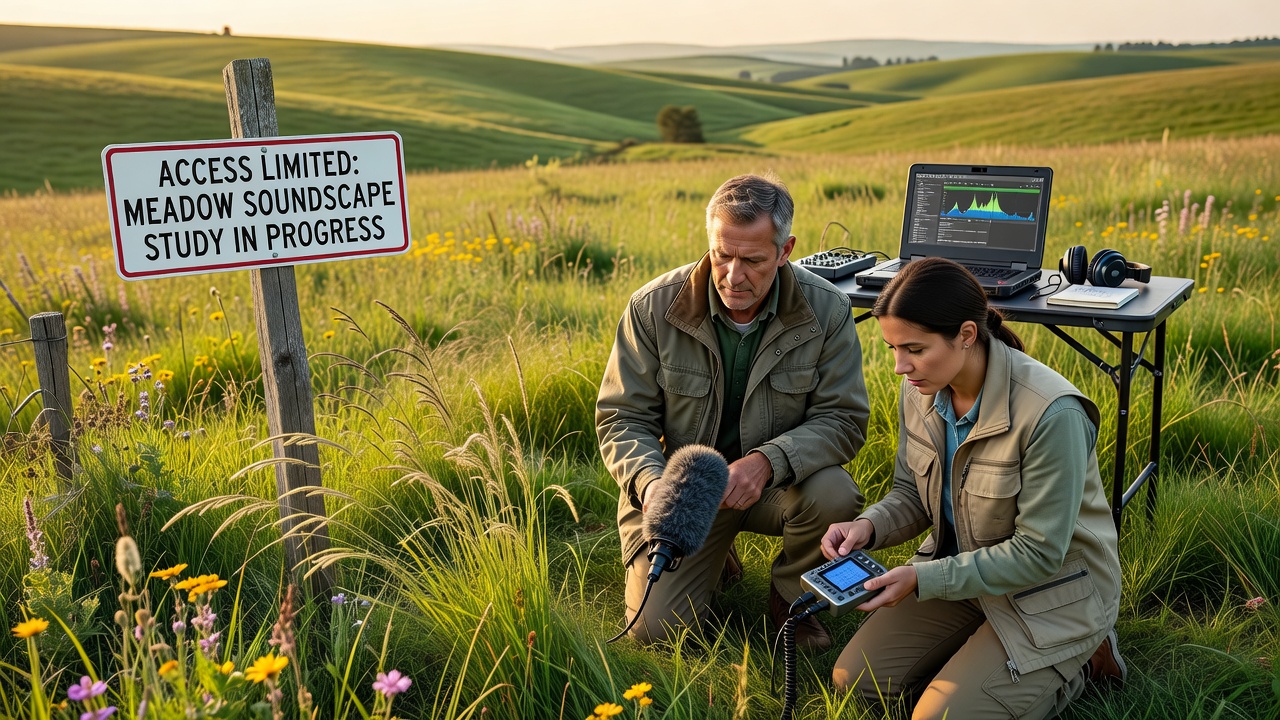
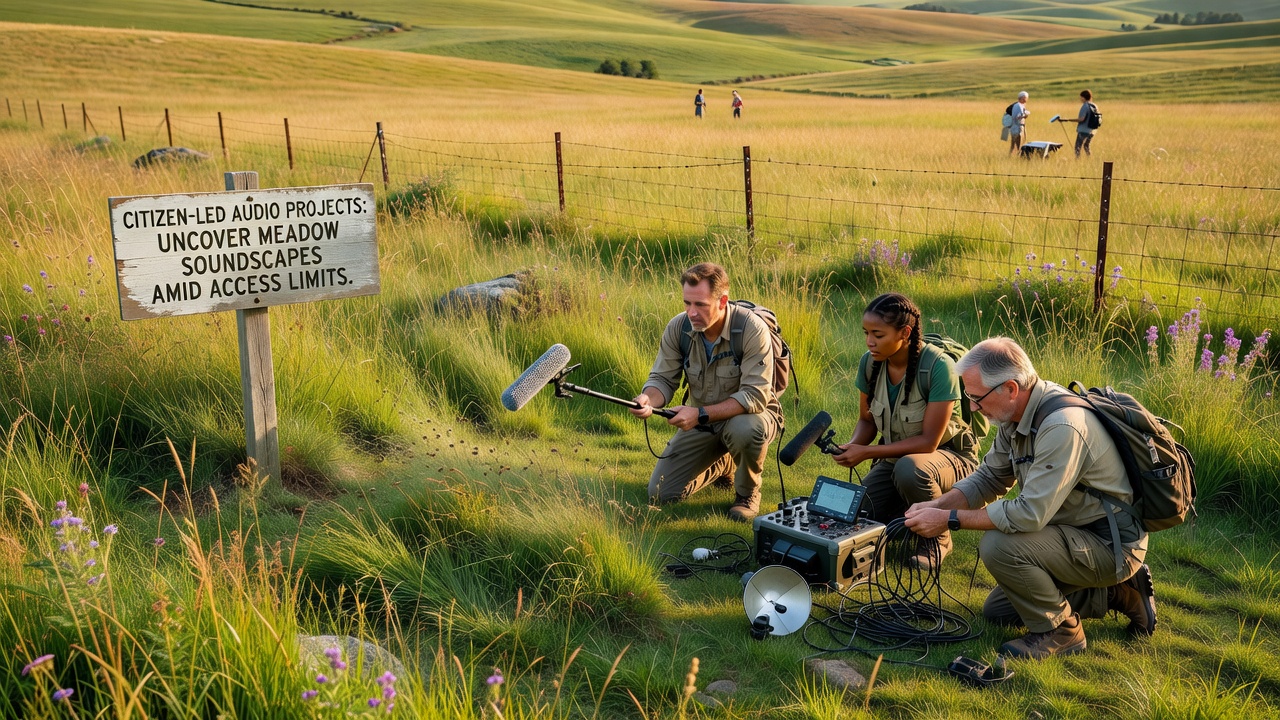
Citizen science initiatives have expanded into acoustic monitoring of meadow ecosystems where public access faces seasonal or permanent restrictions for habitat protection. These projects rely on portable recording devices placed by volunteers who coordinate with land managers to gather sound data without direct entry into sensitive zones. Equipment often includes weatherproof microphones positioned at perimeter points, capturing audio over weeks or months during peak activity periods such as breeding seasons for grassland species. Access limits typically stem from conservation policies that restrict foot traffic to prevent soil compaction and disturbance to nesting birds or pollinators. Participants work within designated buffer areas, using long-range microphones and timed recording schedules to document vocalizations from insects, amphibians, and birds. Data collection in October 2026 showed continued growth in such efforts across multiple regions, with volunteers submitting recordings from sites where entry permits had tightened due to drought recovery measures.Project Methods and Equipment Choices
Teams select battery-powered recorders with extended storage capacity to handle continuous or interval-based sampling, often programmed for early morning and evening peaks when meadow activity intensifies. Calibration occurs at setup locations outside restricted boundaries, and devices transmit metadata wirelessly where signal coverage allows. Volunteers review initial files for quality before forwarding full datasets to centralized platforms for analysis by acoustic specialists.
Software tools identify species calls through pattern recognition algorithms trained on regional sound libraries, reducing manual review time. Projects in Europe have incorporated open-source platforms developed by research institutions, while North American groups frequently partner with university labs for verification. One study coordinated by Canadian researchers documented over 200 distinct vocalization types in a single meadow complex during a six-month deployment window.
Key Findings from Recent Deployments
Recordings have revealed shifts in soundscape composition linked to seasonal changes and land management practices. In several monitored meadows, amphibian choruses declined during drier periods while certain bird species maintained consistent activity levels near water retention features. Insect sounds, including those from orthoptera, appeared in higher frequencies during late summer months according to aggregated volunteer submissions.
Comparative analysis across multiple sites indicates that areas with limited human presence maintain broader frequency ranges in their acoustic profiles. Data shared through international biodiversity networks shows correlations between sound diversity metrics and vegetation structure, supporting habitat assessments conducted by government agencies. Australian environmental reports have referenced similar citizen-collected audio when evaluating grassland restoration outcomes in protected reserves.
Coordination with Regulatory Frameworks
Land management authorities in various countries provide guidelines for equipment placement and data sharing protocols. In the United States, projects align with National Park Service acoustic monitoring standards that emphasize minimal physical impact. European Union biodiversity directives encourage community involvement in soundscape documentation as part of broader habitat reporting requirements.
Participants undergo training on permit requirements and safety procedures before deployment. Coordination meetings occur virtually or at nearby field stations to review site conditions and adjust schedules around weather events or wildlife activity peaks. This approach allows continuous data flow even when direct access remains prohibited for extended periods.
Challenges in Data Interpretation and Scaling
Background noise from distant roads or agricultural machinery can interfere with meadow-specific signals, requiring filtering techniques during post-processing. Volunteers report occasional equipment failures due to extreme temperatures or moisture, prompting use of redundant units at key locations. Scaling projects demands consistent volunteer recruitment and funding for device maintenance, factors that regional conservation groups address through grant programs.
Cross-referencing audio findings with visual surveys conducted at permitted sites strengthens overall conclusions about ecosystem health. Researchers note that combining citizen audio datasets with satellite imagery and climate records produces more complete pictures of meadow dynamics over time.
Conclusion
Citizen-led audio initiatives continue to generate detailed records of meadow soundscapes despite ongoing access constraints. These efforts integrate with established conservation monitoring systems and contribute verifiable data to regional and international databases. As equipment becomes more accessible and analysis tools advance, the scope of such projects is expected to widen while maintaining compliance with habitat protection rules.