Olivia Hughes · 8 September 2026
Proposed Expansions to Trailwood Facilities Coincide with Heightened Citizen Science Activity
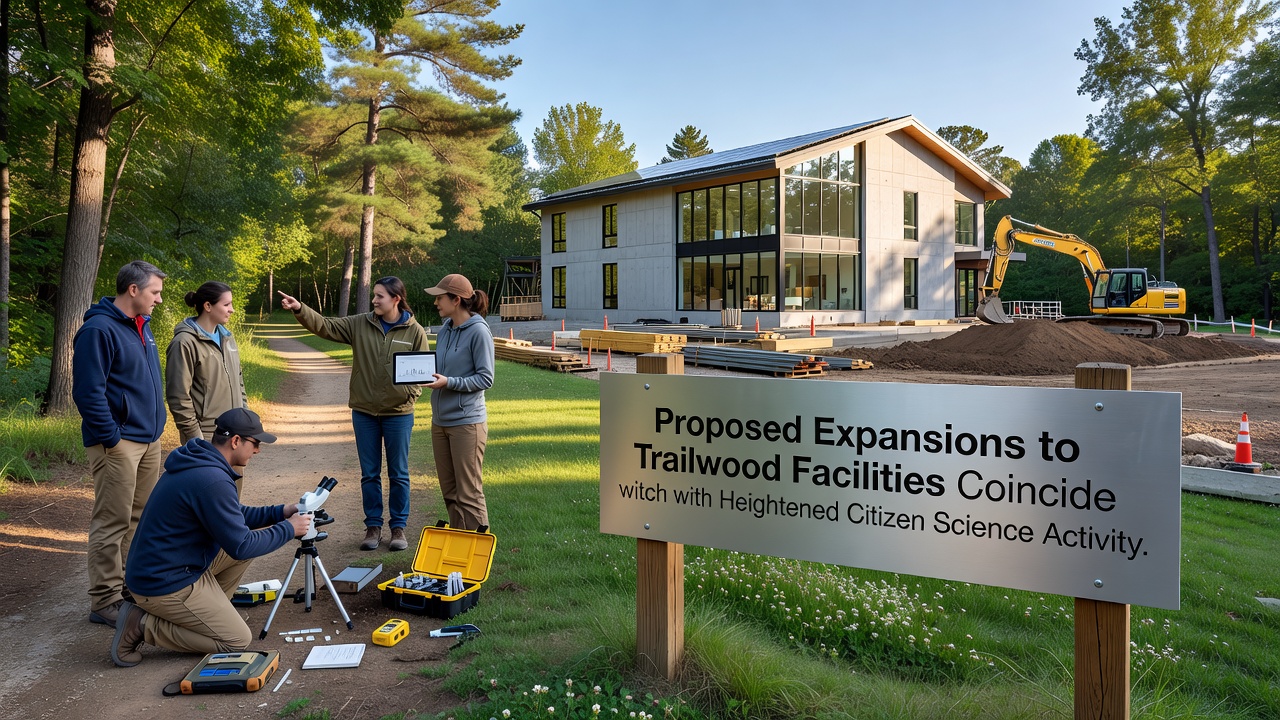
Trailwood has seen steady growth in both infrastructure planning and public participation in data collection over recent seasons, and proposed expansions align with documented increases in citizen science contributions from local and visiting groups. Planners have outlined additions that include expanded trailhead amenities, new observation platforms, and dedicated spaces for equipment storage while researchers track parallel rises in submitted observations of flora, fauna, and water conditions across the network.
Overview of Current Trailwood Infrastructure
Existing facilities at Trailwood support basic access through parking areas, marked routes, and informational signage that guides visitors along established paths, yet these elements have remained largely unchanged since earlier development phases. Data collected through routine maintenance logs shows consistent usage patterns that have prompted reviews of capacity limits during peak months, and facility assessments completed last year highlighted needs for updated restrooms along with better lighting at entry points to accommodate growing numbers of early-morning and evening users.
Details of the Proposed Expansions
Project documents describe new construction that would add two visitor education centers, additional gravel parking pads, and reinforced boardwalks over sensitive wetland sections, with engineering reviews indicating these features could be phased in over multiple years. Budget outlines allocate resources for solar-powered charging stations suitable for field devices, and design specifications call for modular structures that allow future adjustments based on usage statistics gathered through trail counters. Completion targets set initial segments for delivery by September 2026, when seasonal monitoring programs typically reach their highest volume of submissions.
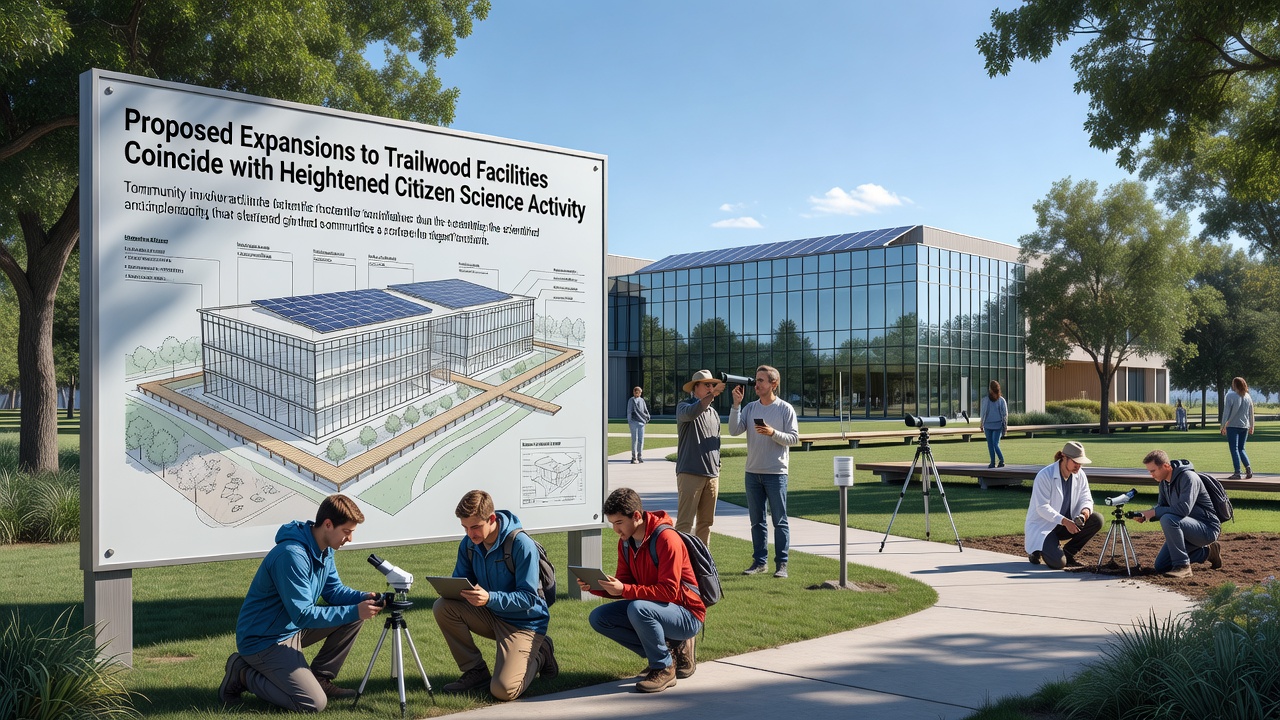
Construction timelines incorporate buffers for environmental reviews that examine potential effects on local habitats, and project leads have scheduled public comment periods to incorporate feedback from frequent trail users who already contribute to ongoing data sets. Materials lists emphasize low-impact options such as recycled decking and permeable surfaces, while drainage plans aim to integrate with existing erosion control measures already in place along steeper grades.
Rise in Citizen Science Participation
Records from multiple monitoring platforms indicate a measurable uptick in user-submitted entries from the Trailwood area, with species sightings, water quality readings, and phenology notes increasing steadily across the past two calendar years. Participants often upload photographs and location coordinates through standard mobile applications, and aggregated figures reveal broader geographic coverage that now extends into previously under-sampled side trails and meadow edges. Training workshops hosted by regional naturalist groups have drawn larger turnouts, supplying standardized protocols that improve consistency across different observers who visit on varying schedules.
How Expansions and Citizen Science Activities Intersect
Facility upgrades include provisions for secure storage lockers intended for shared scientific equipment, and proposed education centers feature display areas that could showcase real-time data visualizations drawn from citizen contributions. Trail counter installations already feed into public dashboards, and expansion designs call for additional sensor mounts that would capture foot traffic alongside environmental variables such as temperature and humidity. Observers note that improved access points could reduce bottlenecks at popular starting locations, allowing more distributed data collection across the full trail system rather than concentrated efforts near main lots.
Coordination meetings between planners and volunteer coordinators have addressed ways to minimize disruptions during construction windows, with temporary reroutes mapped to maintain continuity for ongoing observation projects. September 2026 remains a focal point because it coincides with both targeted completion milestones and the annual peak in seasonal reporting, when many contributors focus on late-summer migrations and seed dispersal patterns.
Supporting Data and External Context
Usage statistics compiled by park management teams show visitor numbers rising alongside the number of registered observation accounts tied to the area, and similar patterns appear in reports from comparable managed landscapes. Australian government summaries on public monitoring programs document parallel growth in remote trail networks, while European Environment Agency compilations highlight how infrastructure improvements can support expanded sampling grids when paired with digital tools. These references illustrate broader trends without prescribing specific outcomes for Trailwood itself.
Conclusion
Planned facility changes at Trailwood proceed alongside sustained increases in citizen science activity, with timelines that place early deliverables in September 2026 and design elements that accommodate continued data gathering. Records indicate both infrastructure needs and participation levels have grown in tandem, and project materials outline measures intended to support both functions through shared access improvements and equipment provisions. Ongoing documentation from trail counters and submission platforms will continue to inform adjustments as phases advance.