Carlo Perry · 20 October 2026
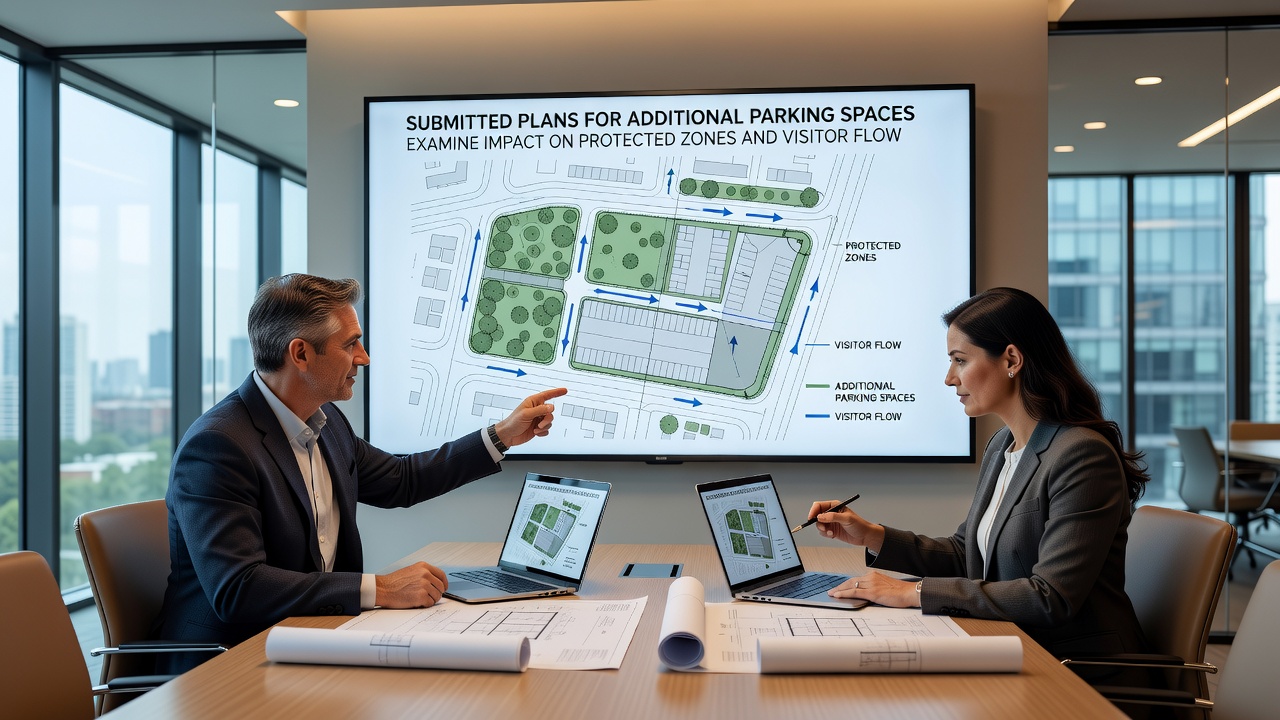
Submitted Plans for Additional Parking Spaces Examine Impact on Protected Zones and Visitor Flow
Submitted plans for additional parking spaces at Trailwood have prompted detailed reviews that focus on how expanded lots might affect protected zones while altering visitor flow patterns across the network of trails and meadows, and officials have released preliminary assessments that outline both infrastructure needs and environmental safeguards as of October 2026.
Overview of the Proposed Parking Expansions
Planners submitted documents that detail three new parking areas designed to accommodate growing numbers of daily arrivals, and these proposals include paved sections with drainage systems plus designated spots for shuttle buses that could reduce roadside congestion, yet the reviews emphasize integration with existing trailheads rather than isolated development. Data from trail counters shows visitor numbers rising steadily since 2023, which has led authorities to evaluate how additional capacity might redistribute traffic without overwhelming narrower paths that lead into sensitive habitats.
Assessing Effects on Protected Zones
Protected zones around Trailwood include meadow edges and deer movement corridors that receive seasonal restrictions, and studies from the National Park Service indicate that increased vehicle presence near these areas can elevate soil compaction and noise levels during peak hours, while researchers have mapped potential buffer distances to minimize disturbance. One analysis released in 2025 examined similar expansions at comparable sites and found that strategic placement of lots at least 150 meters from core habitats reduced wildlife displacement by measurable margins, although ongoing monitoring remains essential because seasonal migrations shift throughout the year.
Key Data Points from Environmental Reviews
- Traffic models project a 25 percent increase in daily vehicle capacity once new spaces open
- Soil erosion rates near proposed sites currently average 12 percent higher than baseline trail areas
- Visitor surveys from 2024 reveal that 68 percent prefer parking within 200 meters of main trail access points
These figures come from coordinated efforts that combine aerial surveys with ground-level vegetation sampling, and they help identify where mitigation like native plant barriers could offset construction impacts while maintaining access for educational programs and research activities.
Changes to Visitor Flow Patterns

Visitor flow adjustments form a central part of the submitted plans, since new parking configurations could shift arrival times and route choices for hikers who currently cluster at the main entrance during morning hours, and simulations suggest that dispersed lots might encourage exploration of secondary loops that currently see lighter use. Observers note that October 2026 marks the start of a pilot program testing timed entry slots tied to parking availability, which aims to prevent overcrowding on paths that border protected meadows while allowing steady movement through less sensitive corridors.
Coordination with local transport data shows that overflow parking along access roads previously caused delays for emergency vehicles, so the proposals incorporate dedicated turnarounds and clear signage that guide drivers toward underutilized zones, and this approach draws on findings from Parks Canada reports that highlight how distributed parking reduces bottlenecks without requiring major road widening.
Stakeholder Input and Timeline
Public meetings held through summer 2026 gathered comments from trail users, conservation groups, and nearby residents who raised questions about lighting, runoff, and long-term maintenance costs, and these sessions produced revisions that added permeable surfaces and native landscaping around lot perimeters. The review process now moves toward final approvals expected before year-end, with construction phases projected to begin in early 2027 if environmental permits clear without delays.
Additional monitoring stations will track air quality, noise, and foot traffic volume once lots open, and data collected over the first two seasons will inform any adjustments needed to balance access with habitat protection, according to project timelines released by regional planning offices.
Conclusion
The submitted plans for additional parking spaces represent a measured response to rising visitation that incorporates extensive examination of effects on protected zones and visitor flow, and continued data collection through October 2026 and beyond will determine how well the designs achieve their dual goals of improved access and sustained environmental integrity across the Trailwood landscape.